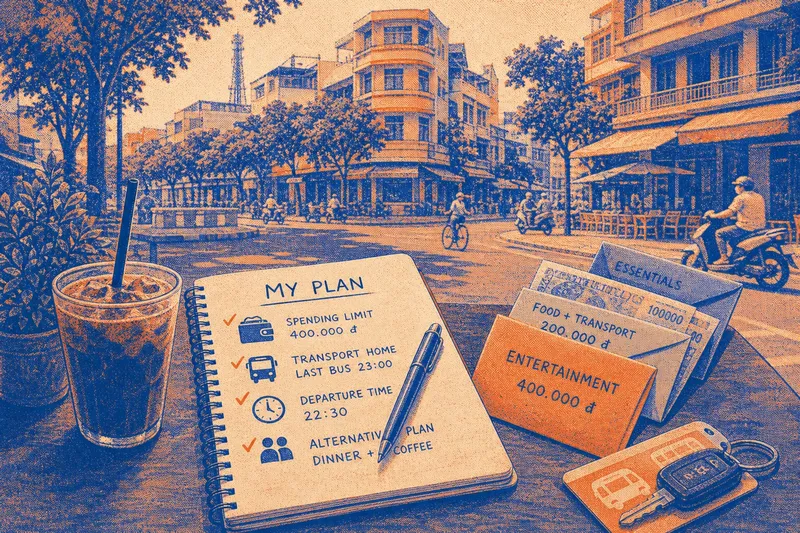
Casino Culture in Phú Nhuận and the Neighborhood’s Evening Choices
Casino culture in Phú Nhuận sits beside cafés, meals, and street life; use this guide to shape an evening around clear plans and shared interests.
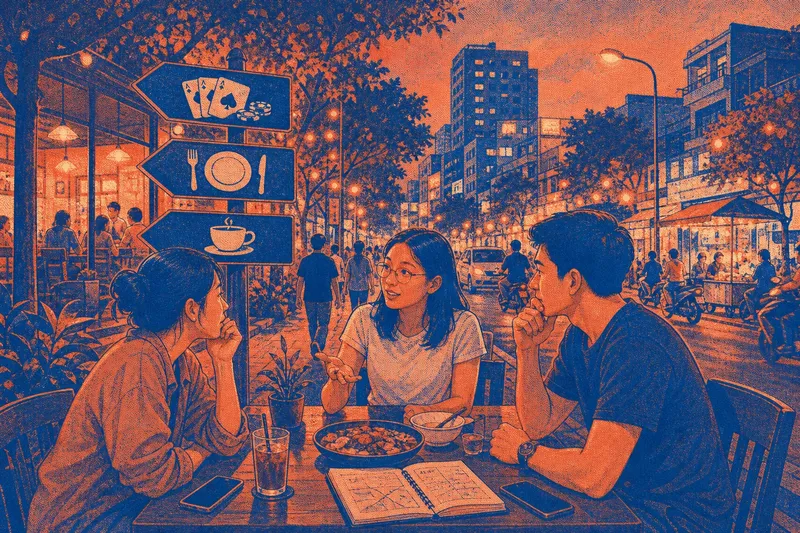
Casino culture in Phú Nhuận is not just a question of what a venue calls itself; it is also a question of what people want from an evening in the neighborhood. A group deciding between a gaming-related outing, dinner, or a café visit is making a small urban choice: how to spend time together without letting one uncertain destination define the night.
Say Linh and two friends are meeting near Phan Xích Long. One wants an activity centered on gaming, another wants conversation over dinner, and the third prefers somewhere calm. They each name their preferred setting, then choose a restaurant with clear current hours and a menu that suits the group. The observable result is a shared plan, while the unresolved venue remains a separate question rather than a reason to argue or improvise.
How does casino culture fit into Phú Nhuận?
In Phú Nhuận, an evening can take shape around a meal, a café, a walk, or a planned visit to a specific entertainment venue. These choices overlap in the same neighborhood, but they are not interchangeable. A place described online as a “club,” “gaming room,” or “casino” may refer to different activities, so the label alone does not tell a visitor what happens there.
It helps to separate three things: the neighborhood’s everyday social life, the activity a venue actually offers, and the rules that apply to entry. Keeping those apart makes the conversation more useful. Instead of asking only whether a casino is nearby, ask what kind of evening your group wants and what can be confirmed about the destination.
What makes a group’s leisure choice work?
Start with the people, not the venue label. If the group wants to talk, a meal or café may fit better than an activity that asks everyone to focus elsewhere. If people want different things, agree on a shared starting point and leave room for anyone to choose a separate plan afterward.
Imagine Mai is meeting a friend who wants a lively night and another who has an early morning. Mai suggests dinner on a familiar street, then asks whether they want to continue somewhere quieter. The first decision gives everyone time together; the second lets the group split without pretending that one destination suits every preference.
That is a useful distinction in neighborhood leisure. A venue is one possible setting, not the whole evening. The social plan can remain intact even if a particular activity turns out not to suit the group.
What should you ask before choosing a venue?
What activity does the venue actually offer?
Look for a clear description of the activity rather than relying on a broad label such as “gaming” or “club.” If the description remains ambiguous, treat the venue as an unconfirmed option and choose an activity your group can identify with confidence.
What kind of evening does the group want?
Ask whether people want conversation, a meal, a quieter setting, or a particular form of entertainment. If preferences differ, choose a shared meeting place first and agree on any later activities separately.
What information would change the plan?
Decide in advance which details matter, such as a confirmed address, current hours, or stated entry conditions. If one of those details is missing and affects your decision, keep the venue off the plan rather than filling the gap with an assumption.
What is a comfortable alternative nearby?
Identify a meal, café, or other public-facing option that fits the group’s mood. If the original destination remains uncertain, use that alternative as the evening’s main plan instead of treating it as a fallback nobody chose.
How can you compare options without overplanning?
A short conversation can clarify the choice. Check the following points and let each observation lead to a decision:
- Shared purpose: If everyone wants time to talk, choose a restaurant or café; if the group wants separate activities, agree on a meeting point and make individual plans.
- Venue description: If current information names a specific activity, decide whether it matches the group’s interests; if it uses only vague labels, choose a clearly described alternative.
- Address: If the address is consistent across current venue information and the group’s map, consider it as a destination; if details conflict, do not set out until they are clarified.
- Opening information: If current hours are posted by the venue, use them to plan the visit; if hours cannot be confirmed, select a place with clearer information.
- Entry conditions: If the venue clearly states conditions relevant to your group, decide whether those fit your plans; if the conditions are unclear, seek reliable local guidance or leave the venue off the itinerary.
- Different preferences: If everyone is comfortable with one activity, make it the shared plan; if not, choose a meal or meeting place first and let people opt into separate plans later.
- Neighborhood mood: If the group wants to walk and spend time among busy streets, pick a public-facing destination suited to that pace; if the area feels too lively, choose a quieter confirmed place.
For example, suppose An is planning an evening for three friends. Their starting options are one venue listing with an unclear activity, one restaurant whose current hours are posted, and a café that two friends already prefer. An asks each person to name a priority: one wants entertainment, one wants a meal, and one wants quiet conversation. The group decides to eat at the restaurant, then lets the two who want a calmer setting continue to the café while the third makes a separate plan. If the venue later provides a clear activity description and relevant entry information, An can reconsider it for another outing; without those details, the listing stays off this evening’s itinerary. The tradeoff is explicit: the group gives up the possibility of visiting that venue now in exchange for a plan everyone can act on.
Why does the neighborhood matter to the choice?
Phú Nhuận’s character is made in part by ordinary routines: people meeting after work, choosing where to eat, and moving between streets and storefronts. A map pin can point toward a place, much like a label on a drawer tells you where to look without showing what is inside. The neighborhood setting contributes to an evening, but it does not confirm a venue’s activity, availability, or access rules.
That difference matters when friends describe a night out. “Let’s spend time around Phú Nhuận” leaves room for a meal, a café, or a walk. “Let’s go to a casino” assumes a specific kind of venue and activity that should be checked rather than inferred. Clear language helps the group choose with fewer mismatched expectations.
For casino culture in Phú Nhuận, the most useful perspective is to treat entertainment as one part of neighborhood life, not as its defining feature. Agree on what the group wants, verify the details that affect the choice, and keep a shared alternative in view. That way, an uncertain venue claim does not have to decide how the evening unfolds.